Building a luxury home doesn’t always require a luxury-sized budget. In today’s evolving real estate market, smart planning, strategic material selection, and efficient design choices make it possible to create high-end homes that feel premium—without draining your finances. Whether you’re a builder, investor, or first-time homeowner, understanding how to maximize value while controlling costs is the key to achieving “affordable luxury.”
1. Start with Smart Design, Not Bigger Size
Luxury isn’t about size—it’s about experience. Instead of expanding square footage, focus on intelligent layouts that maximize space and functionality. Open floor plans, high ceilings, and large windows create a sense of openness and elegance without increasing construction costs significantly.
Prioritize:
- Open-concept living areas
- Natural lighting and window placement
- Multi-functional spaces
A well-designed 1,800 sq ft home can feel more luxurious than a poorly planned 3,000 sq ft property.
2. Focus on High-Impact Features
Not every part of the home needs to be high-end. The key is to invest in areas that buyers and homeowners notice the most.
High-impact upgrades include:
- Kitchens with modern cabinetry and quartz countertops
- Spa-like bathrooms with stylish fixtures
- Statement lighting and feature walls
By concentrating your budget on these focal points, you create a luxury feel without upgrading every single element.
3. Choose Cost-Effective Luxury Materials
You don’t need the most expensive materials to achieve a premium look. Many affordable alternatives mimic high-end finishes beautifully.
Examples:
- Luxury vinyl plank (LVP) instead of hardwood flooring
- Quartz instead of marble countertops
- Prefabricated cabinets with custom hardware
These options provide durability, style, and cost savings—perfect for budget-conscious luxury builds.
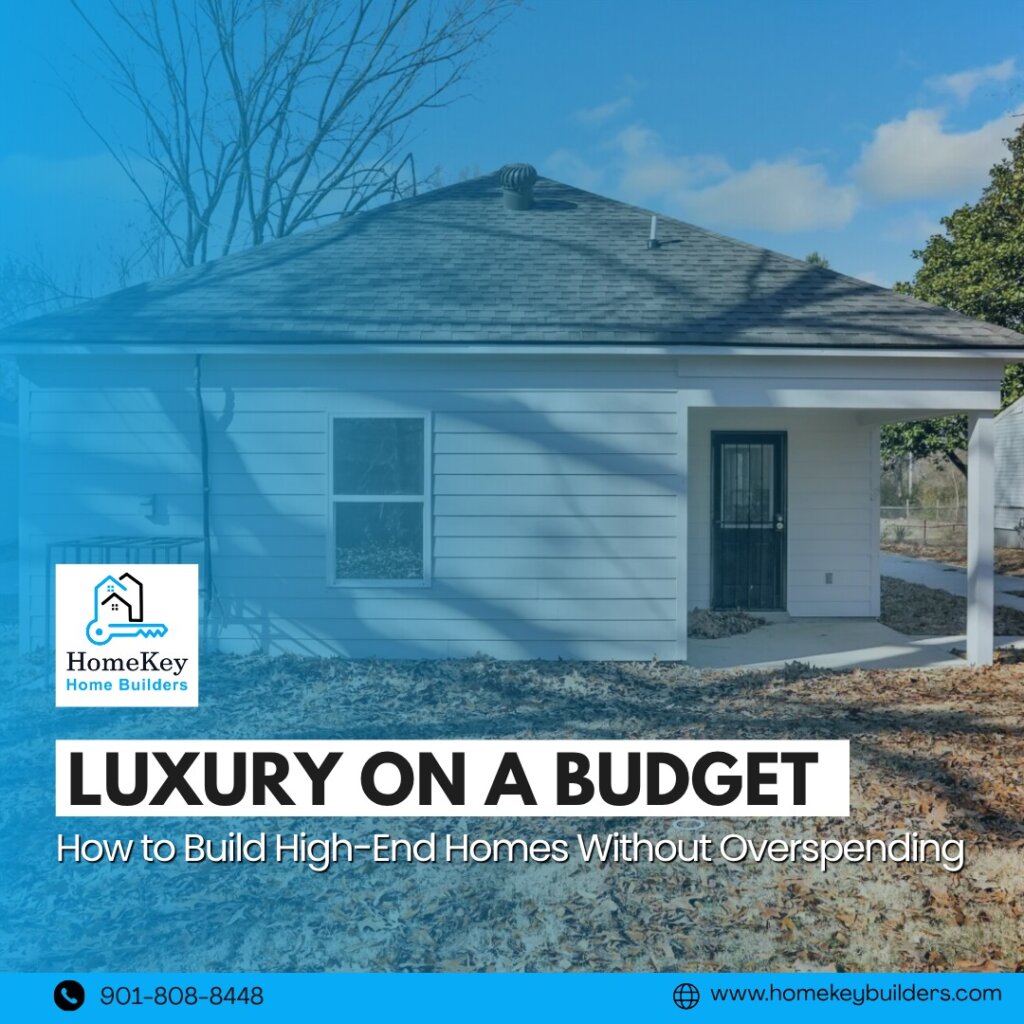
4. Keep the Exterior Simple but Elegant
A clean, modern exterior design can look far more luxurious than an overly complex structure. Simple rooflines, neutral color palettes, and well-placed landscaping create strong curb appeal without excessive costs.
Tips:
- Use a mix of textures (stone veneer, siding, wood accents)
- Invest in a bold front door
- Add outdoor lighting for a premium finish
First impressions matter—and they don’t have to be expensive.
5. Invest in Energy Efficiency
Luxury today is not just about looks—it’s also about performance. Energy-efficient homes attract modern buyers and reduce long-term costs.
Consider:
- Energy-efficient windows and insulation
- Smart thermostats
- LED lighting throughout
These features add value while lowering utility bills, making the home both elegant and practical.
6. Use Prefab and Modular Solutions
Modern construction methods like prefab and modular building can significantly reduce costs without sacrificing quality. These approaches minimize waste, speed up timelines, and ensure consistent quality.
Benefits include:
- Faster construction timelines
- Lower labor costs
- Reduced material waste
This is especially valuable for builders aiming to scale luxury projects efficiently.
7. Add Affordable Smart Home Features
Smart technology is now a standard in luxury homes—and it doesn’t have to be expensive.
Budget-friendly smart upgrades:
- Smart locks and doorbells
- Automated lighting systems
- Voice-controlled assistants
These features enhance convenience and give your home a modern, high-end feel.
8. Work with the Right Builder and Plan Ahead
One of the biggest cost-saving strategies is proper planning. Unexpected changes during construction can quickly inflate your budget.
To avoid this:
- Finalize designs before starting
- Work with experienced builders
- Create a detailed budget with contingency
A well-planned project reduces delays, prevents overspending, and ensures a smooth building process.
Final Thoughts
Building a luxury home on a budget is all about making smart choices. By focusing on design efficiency, high-impact features, and cost-effective materials, you can create homes that look and feel premium—without overspending.
Luxury is no longer defined by how much you spend, but by how well you design, build, and deliver value.