
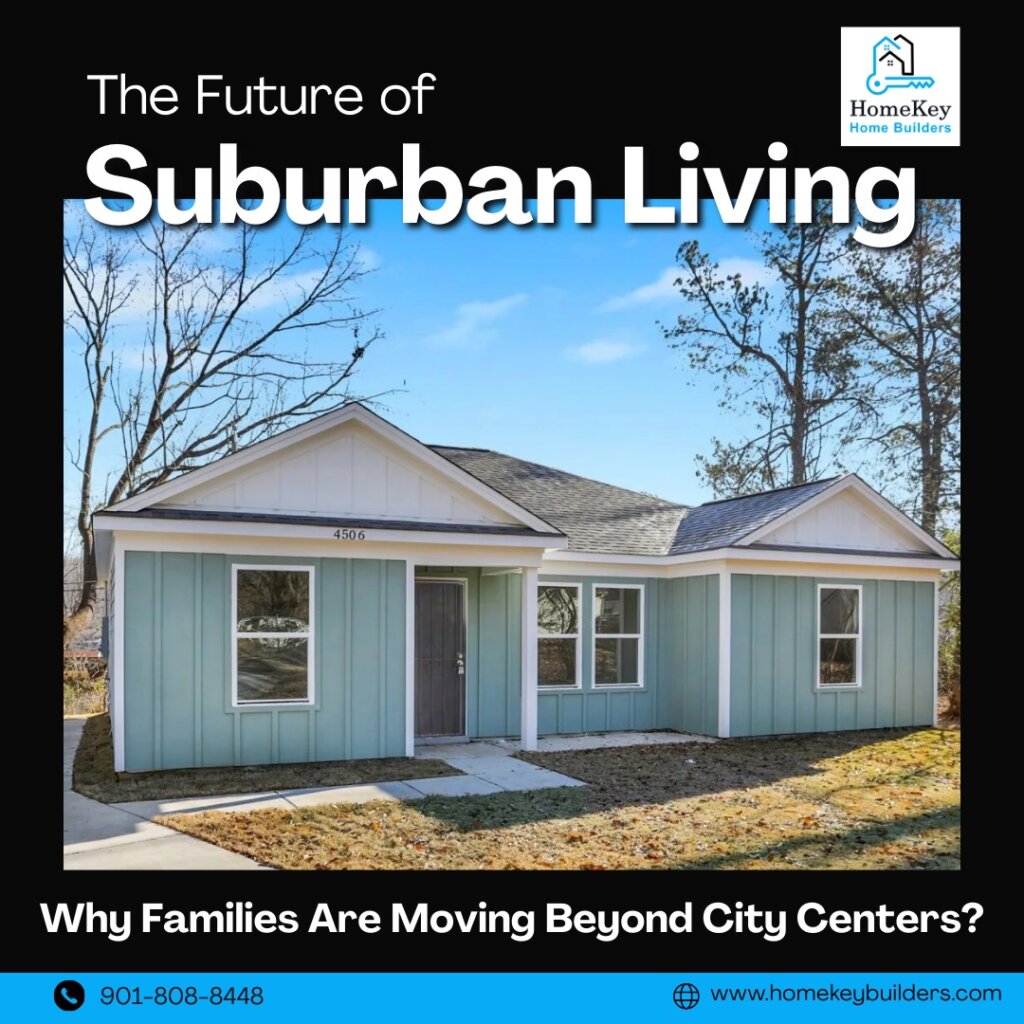
In recent years, a noticeable shift has taken place in the real estate landscape. Families are increasingly choosing suburban living over the hustle and congestion of city centers. This trend is not just a temporary movement—it reflects a deeper transformation in lifestyle preferences, work culture, and long-term investment strategies. As we move into 2026 and beyond, suburban communities are becoming the new focal point for modern living.
The Shift Away from Urban Density
City centers have long been associated with opportunity, convenience, and vibrant lifestyles. However, rising property prices, limited space, and increasing population density have made urban living less appealing for many families. The cost of owning or renting in prime city locations continues to climb, often without delivering the space and comfort that growing families need.
Suburbs, on the other hand, offer a more balanced lifestyle. Larger homes, quieter neighborhoods, and access to green spaces are just a few reasons why families are making the move.
Remote Work Is Redefining Location Choices
One of the biggest drivers behind this shift is the rise of remote and hybrid work models. With fewer people required to commute daily, proximity to city offices is no longer a top priority. Families now have the flexibility to live farther from urban centers without compromising their careers.
This newfound freedom allows homeowners to prioritize quality of life over location. Instead of small apartments in crowded cities, buyers are opting for spacious suburban homes that offer home offices, backyards, and better living environments.
Affordability and Value for Money
Affordability plays a major role in the growing appeal of suburban living. For the same budget, buyers can often secure larger properties with more amenities in suburban areas compared to city centers.
Suburban homes typically offer:
- More square footage
- Private outdoor spaces
- Lower property taxes (in many regions)
- Better long-term value appreciation
For first-time buyers and investors alike, suburbs present a more attractive entry point into the real estate market.
Family-Friendly Environment
Suburban communities are designed with families in mind. From safer neighborhoods to better schooling options, these areas provide an ideal setting for raising children.
Key benefits include:
- Access to parks and recreational areas
- Lower crime rates
- Community-oriented living
- Less noise and pollution
Parents are increasingly prioritizing these factors when choosing where to live, making suburbs the natural choice.
Infrastructure and Development Growth
Modern suburbs are no longer isolated or underdeveloped. Governments and private developers are investing heavily in infrastructure, transportation, and community amenities.
Today’s suburban developments often include:
- Shopping centers and retail hubs
- Healthcare facilities
- Schools and educational institutions
- Improved road networks and connectivity
This evolution has transformed suburbs into self-sufficient communities that offer both convenience and comfort.
The Rise of Smart and Sustainable Communities
Sustainability is becoming a key factor in homebuying decisions. Suburban developments are leading the way with eco-friendly designs, energy-efficient homes, and smart technology integration.
Buyers are now looking for:
- Energy-efficient construction
- Smart home systems
- Solar energy solutions
- Sustainable building materials
These features not only reduce environmental impact but also lower long-term living costs.
Investment Opportunities in Suburban Markets
For real estate investors, suburban markets are gaining momentum. As demand increases, property values in these areas are expected to rise steadily.
Suburbs offer:
- Strong rental demand from families
- Lower entry costs compared to cities
- High potential for appreciation
- Opportunities in build-to-rent and new developments
This makes suburban real estate a strategic choice for both short-term gains and long-term wealth building.
Challenges to Consider
While suburban living has many advantages, it’s important to consider potential challenges:
- Longer travel times for occasional city visits
- Dependence on personal transportation
- Limited nightlife and entertainment compared to urban areas
However, for most families, the benefits far outweigh these drawbacks.
What the Future Holds
The future of suburban living looks promising. With continued advancements in infrastructure, technology, and urban planning, suburbs are evolving into dynamic, desirable communities.
As work flexibility increases and lifestyle priorities shift, suburban living is expected to dominate real estate trends in the coming years. Builders and developers who adapt to this demand by offering modern, sustainable, and family-focused housing will lead the market.
Final Thoughts
The movement toward suburban living is more than just a trend it’s a reflection of changing priorities. Families today are seeking space, comfort, affordability, and a better quality of life. Suburbs are delivering on all these fronts, making them the future of modern living.
Whether you’re a homebuyer, investor, or builder, understanding this shift can help you make smarter real estate decisions in 2026 and beyond.